Many hospitals buy software before knowing precisely what they have to maintain. The reverse order is what works: a reliable inventory first, the CMMS afterwards. Here is a four-step method.
Why the inventory comes first
You cannot plan the upkeep of equipment you do not know, and you cannot measure costs you cannot tie to a device. In June 2025, the WHO published a document on the information system for managing the inventory and maintenance of medical devices: the very title of the document links inventory and maintenance in a single information system. In practice, the quality of the inventory determines the quality of everything else.
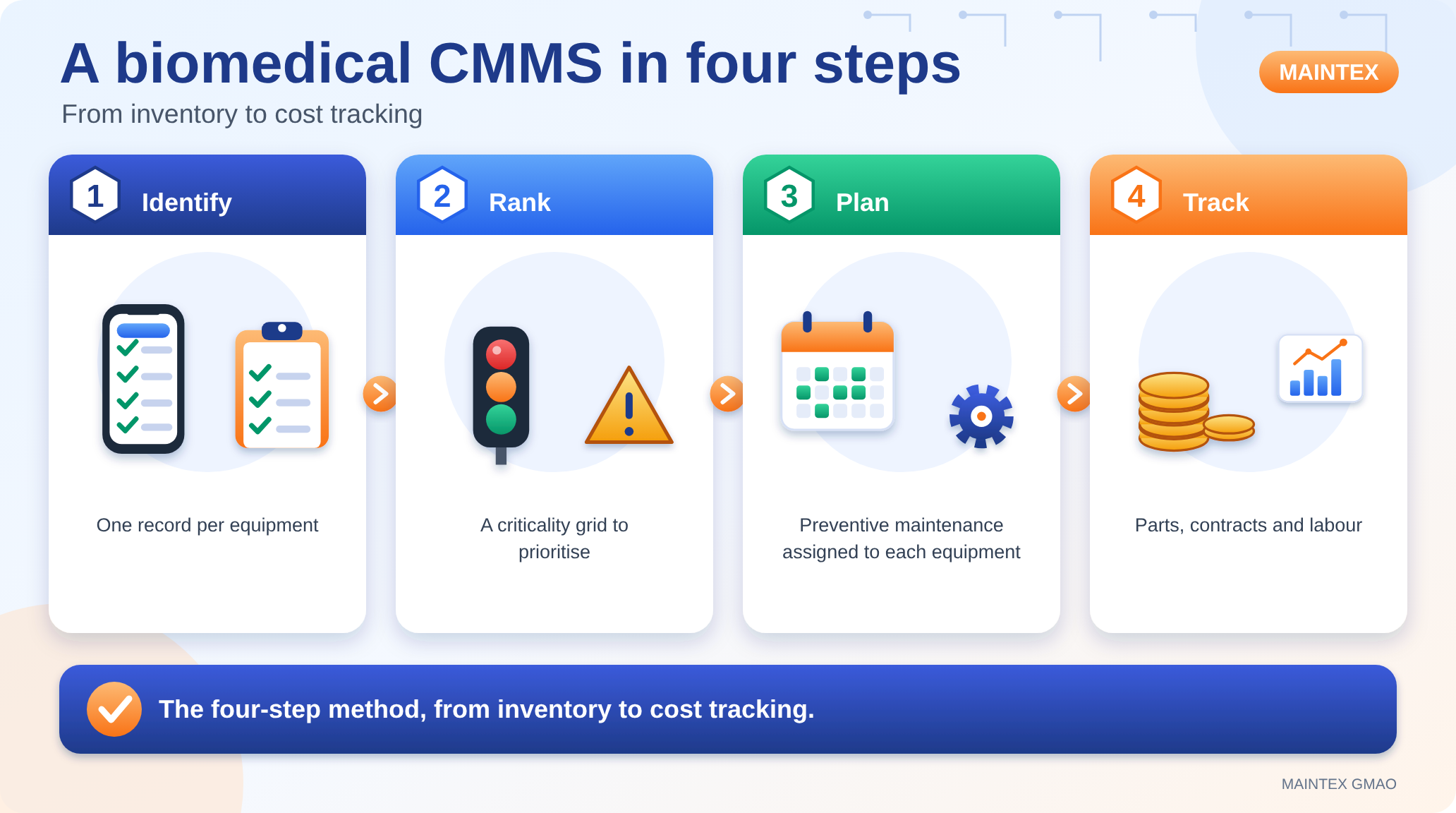
Step 1: identify the equipment
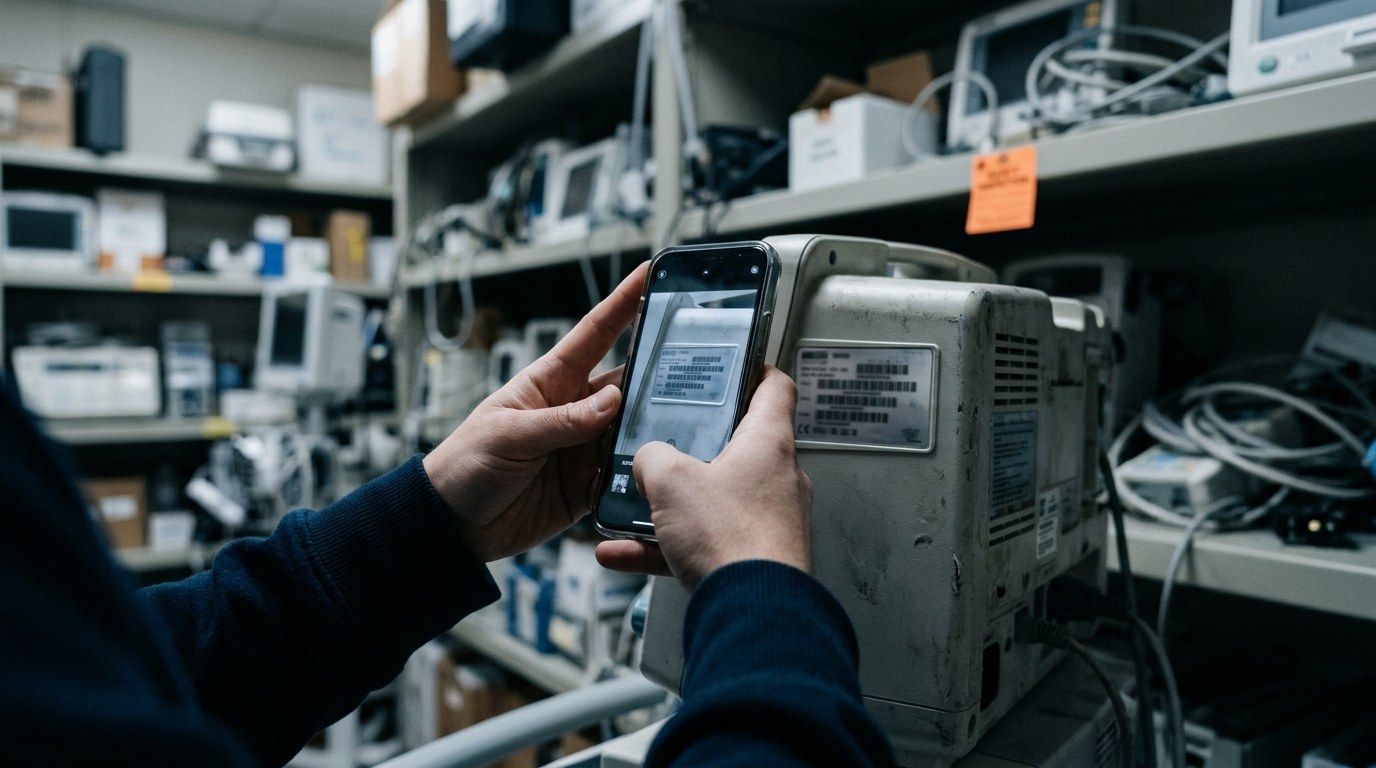
Create one record per equipment item, filled in on the ground, department by department. The basic fields are: description, make, model, serial number, department and room, commissioning date, supplier, general condition. Add a photo of the nameplate: it prevents many data-entry errors.
Three traps to avoid: duplicates (the same device moved and counted twice), out-of-service equipment never declared, and loaned or donated devices, often missing from official registers.
Step 2: document criticality
Not all equipment is equally important. A simple grid is enough to rank it. Score each device from 1 to 3 on three questions:
Impact on patient care if the device stops
Delay with no consequence
Care impossible or dangerous
Availability of a replacement device
Several backups
None
Time and cost to repair or replace
Short and low
Long and high
A total of 8 or 9 designates critical equipment: it goes to the top of the maintenance plan. This ranking is a proposed method, to be adjusted with your biomedical staff and your physicians.
Step 3: plan the interventions
From the manufacturers’ requirements and the criticality, define the preventive maintenance of each equipment family: checks, upkeep, periodic verifications. Assign each task to a person and a due date. Start with the critical equipment, then broaden: a modest plan that is followed is better than a complete plan that is never carried out.
Step 4: track the costs
Link to each equipment item the spending on parts, labour, maintenance contracts and consumables. After a few months, you will know which devices cost the most, which are down most often, and which deserve replacement rather than another repair. This is the basis of a well-argued budget.
Moving from inventory to CMMS
When the inventory is reliable, the CMMS becomes easy to feed: every equipment item already exists, every intervention attaches to it. With MAINTEX, technicians enter data from their mobile, even offline, and the history builds up as interventions are carried out.
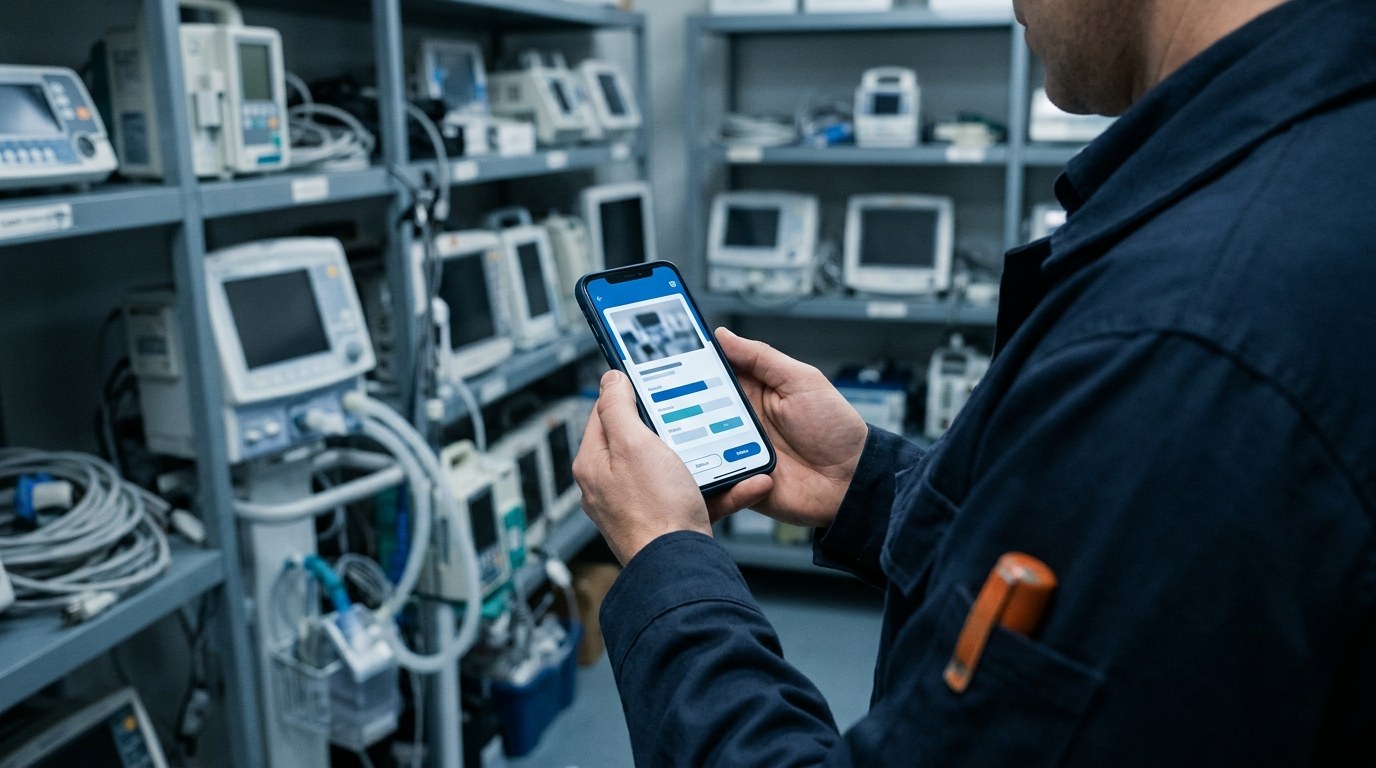
See how MAINTEX structures the inventory, criticality and preventive plan of a biomedical fleet.