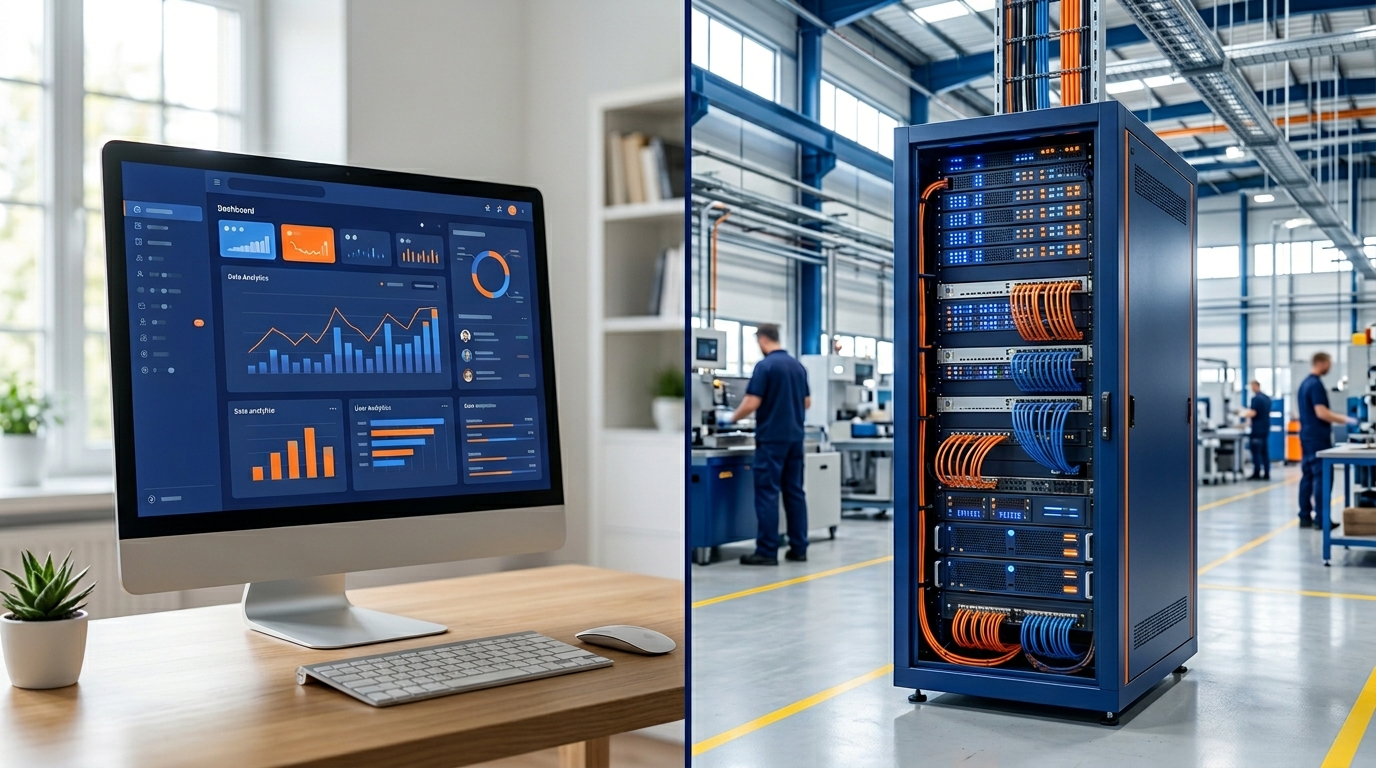
Your teams work hard: preventive in place, fast corrective, CMMS used daily. And yet breakdowns come back, the same equipment causes problems, downtime stays high. It’s not an effort problem, it’s a model problem.
The false debate: corrective vs preventive
Corrective and preventive maintenance are often pitted against each other, as if you had to choose. The debate is poorly framed: corrective is indispensable, preventive is necessary… but neither guarantees reliability, because they don’t address the real problem: understanding breakdowns.
The real problem: insufficient diagnosis
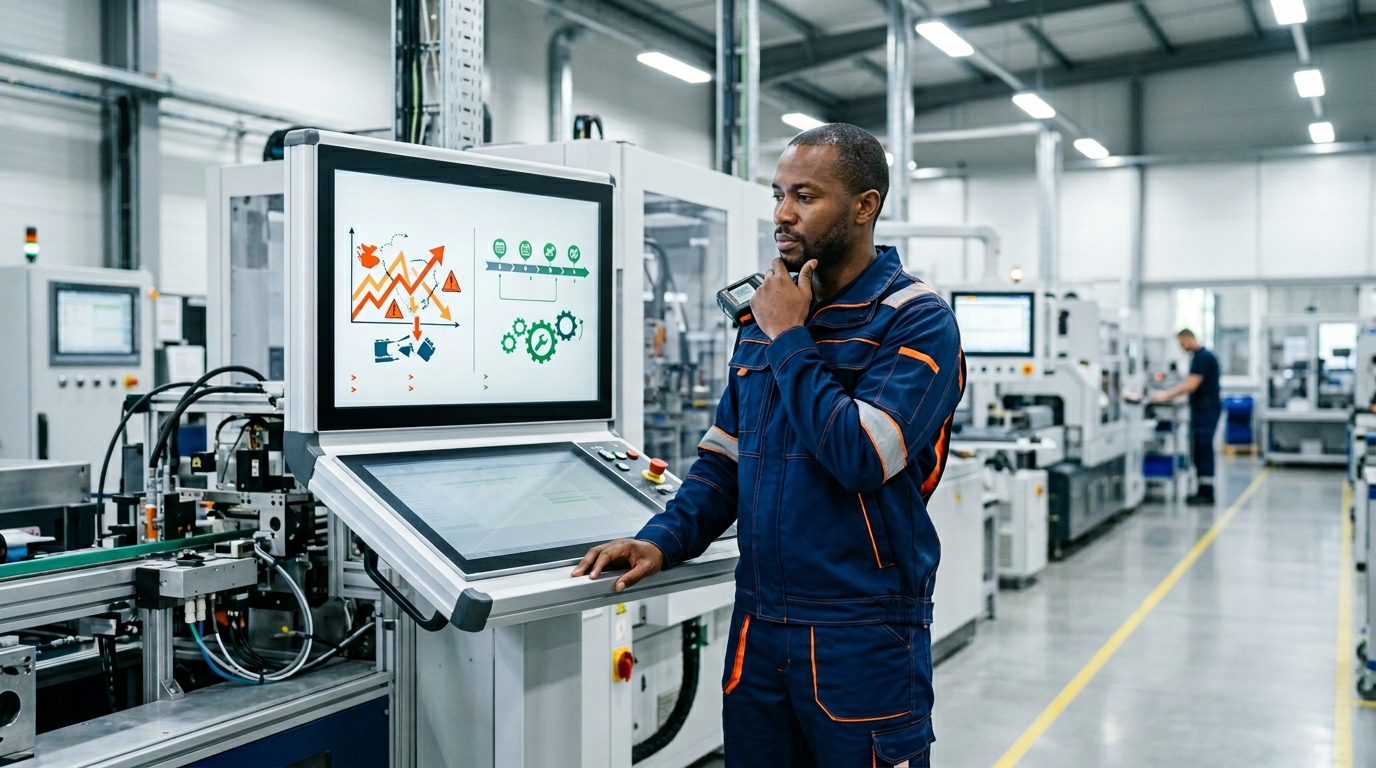
In many organizations, breakdowns are handled fast but poorly understood. The result: parts are replaced without knowing why they break, preventive is added without knowing if it’s useful, interventions multiply without progress. You act, but you don’t learn.
The symptoms of ineffective maintenance
You’re probably affected if:
- the same breakdowns come back regularly;
- your maintenance plans get heavier over time;
- your technicians still depend on the same experts;
- interventions are fast… but repeated.
These are the signs of a system that reacts, but doesn’t improve.
What really makes the difference
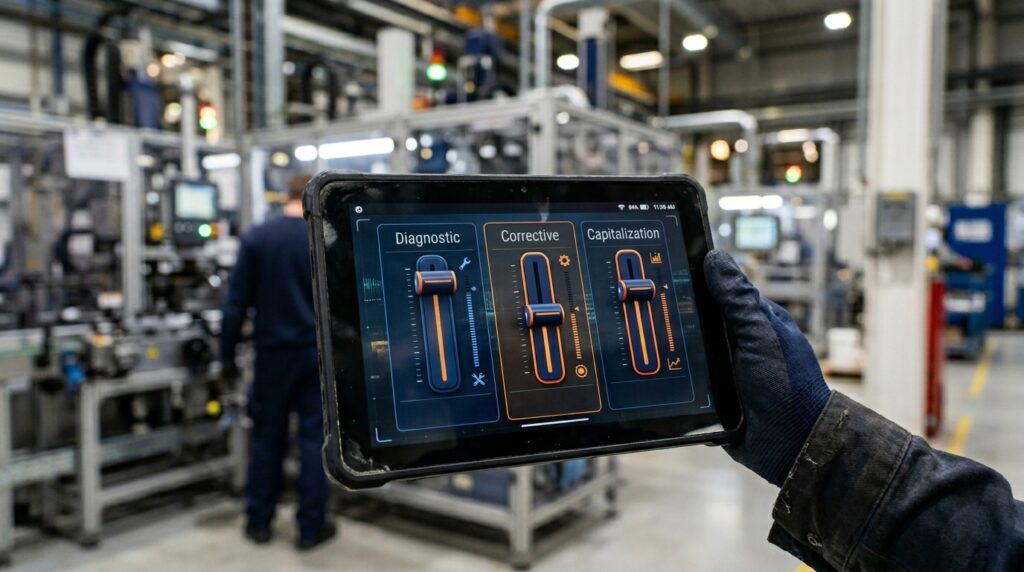
High-performing organizations don’t choose between corrective and preventive: they master three levers that, together, advance reliability.
- Fault diagnosis: fast identification of the cause, structuring of symptoms, analysis of similar cases;
- The quality of corrective actions: removal of root causes, distinction between a fix and a lasting solution, reduction of recurrences;
- Knowledge capitalization: structured feedback, sharing of effective solutions, continuous improvement.
Changing the logic: from intervention to decision
Most tools can plan, track and log, but not always understand why a breakdown happens, quickly identify the right action or learn from past interventions. The real lever isn’t “do more maintenance”, but do the right actions, at the right time, for the right reasons.
Toward maintenance that learns, and MAINTEX
A new approach is emerging: structure the diagnosis, guide technicians in their reasoning, link each breakdown to its cause and its result, and automatically capitalize lessons learned. This is precisely the logic of MAINTEX: assist the diagnosis, suggest probable causes, recommend suitable actions and capitalize field feedback. The result: fewer trials, fewer errors, fewer recurring breakdowns, and maintenance that really progresses instead of going in circles.
Understand the causes of your breakdowns, prevent their repetition and lastingly improve your performance.
Conclusion: escaping the trap
The problem of industrial maintenance isn’t a lack of tools, but an approach too centered on intervention and not enough on understanding. As long as you don’t understand your breakdowns, you’ll keep enduring them, whatever your level of preventive or responsiveness. The most high-performing organizations made a different choice: they turned their maintenance into a learning system.