In many plants, maintenance remains reactive: you intervene once the breakdown has occurred. The result: production stoppages, unforeseen costs and teams under pressure. The countermeasure: a preventive maintenance plan to anticipate failures and organize interventions before the breakdown.
What is a preventive maintenance plan?
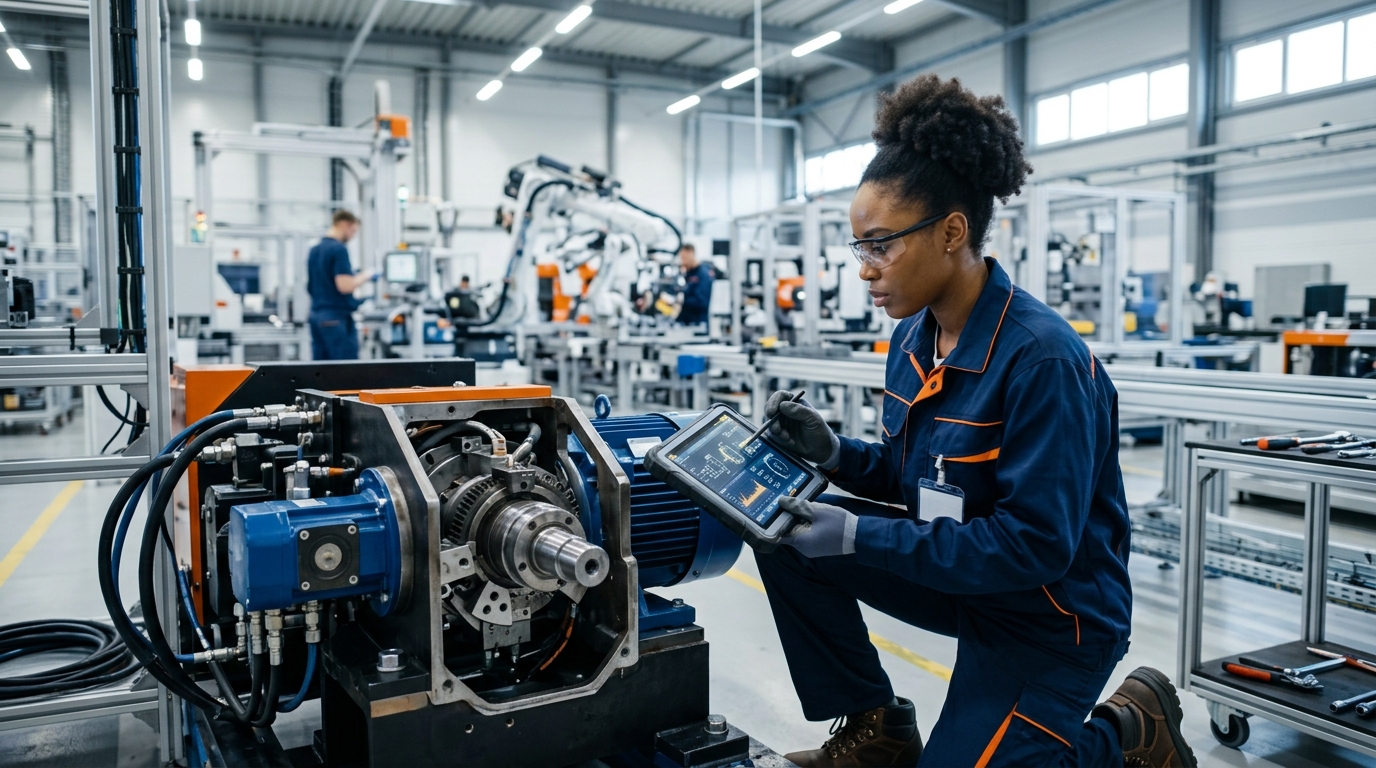
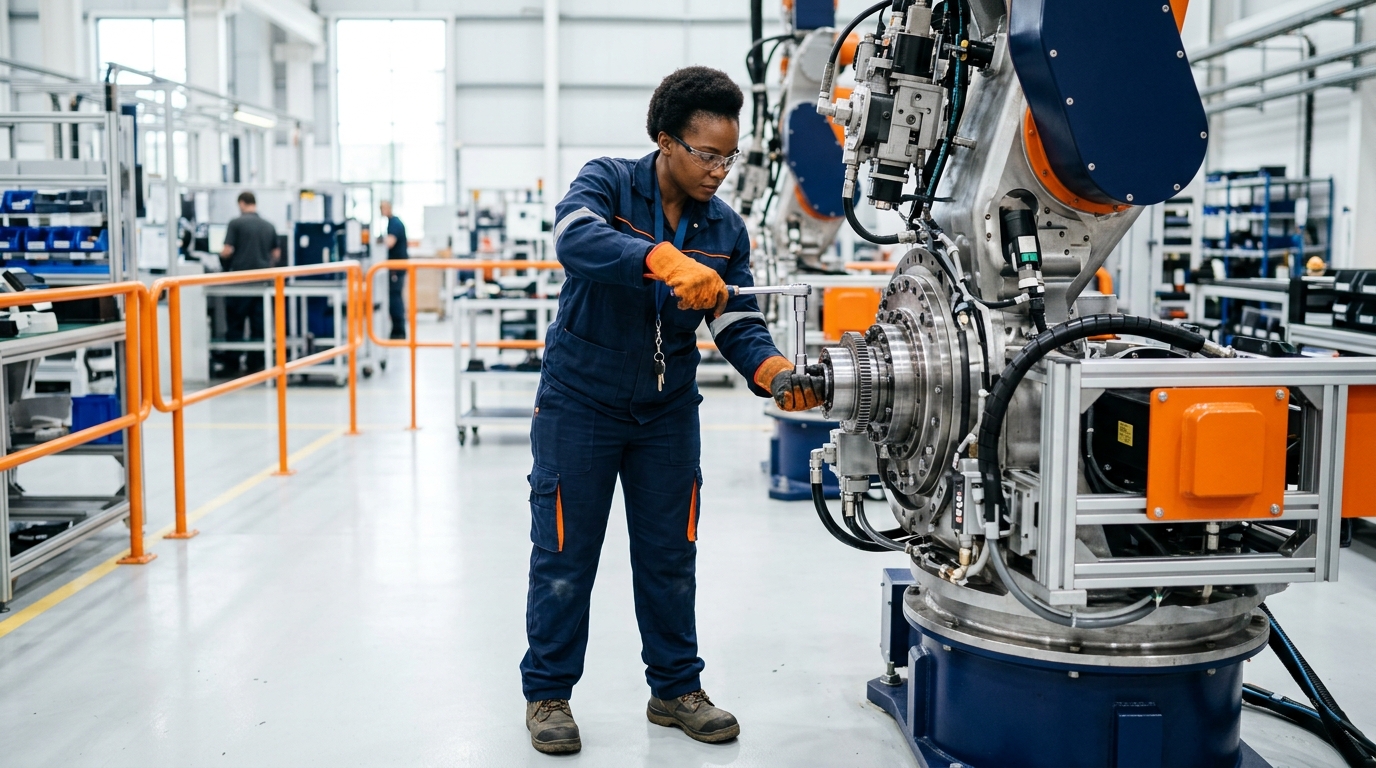
It’s a set of planned actions to maintain equipment before a problem occurs, unlike corrective maintenance, which intervenes after the failure. Typical actions: regular inspections, cleaning and lubrication, replacement of wear parts, safety checks. The goal: keep equipment in optimal condition and reduce production interruptions.
Why set up a preventive plan?
- Fewer machine breakdowns: you intervene before failure, you avoid stoppages;
- Extended lifespan: regular upkeep prolongs machine life;
- Better-organized teams: planned interventions smooth out the workload;
- Controlled costs: preventive generally costs less than emergency repairs.
The types of preventive maintenance
- Systematic: interventions at regular intervals (monthly, quarterly, annual);
- Condition-based: triggered by the actual state (vibration, temperature, abnormal noise);
- Predictive: based on sensor-data analysis to anticipate failures.
Build your maintenance plan in 5 steps
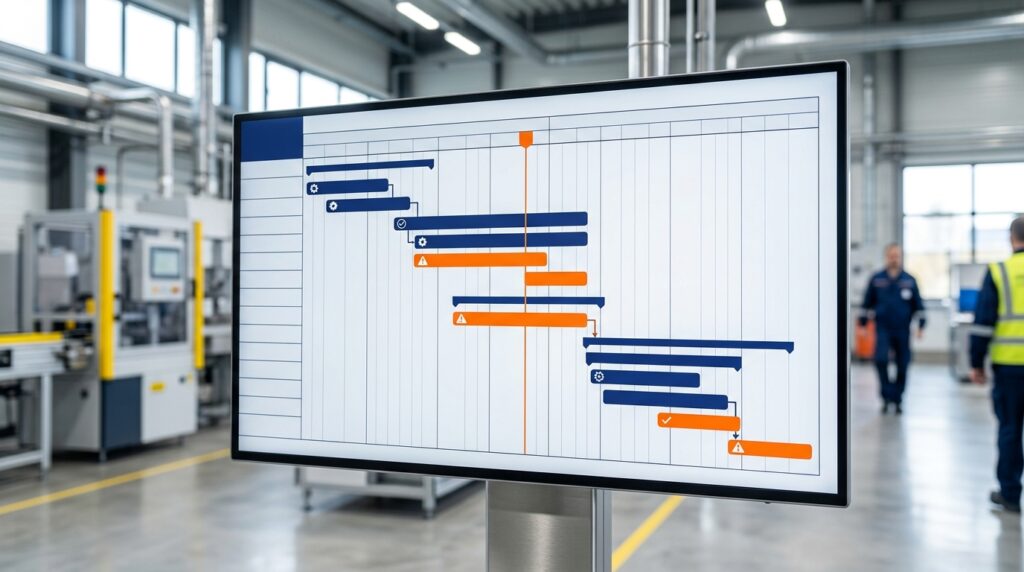
In practice: 1) identify the machines with the highest production impact; 2) define for each the inspections, parts and checks; 3) set the frequency (manufacturer recommendations, usage, breakdown history); 4) schedule while limiting production impact; 5) document each intervention (date, technician, operations, parts).
Sample preventive maintenance plan
| Equipment | Intervention | Frequency |
|---|---|---|
| Compressor | Pressure check | Monthly |
| Conveyor | Lubrication | Monthly |
| CNC machine | General inspection | Quarterly |
| Industrial pump | Seal replacement | Annual |
The indicators to track
- MTBF: mean time between failures;
- MTTR: mean time to repair;
- Preventive completion rate: interventions completed / planned.
Excel or a CMMS?
Many manage their plan in Excel, but this method quickly shows its limits: risk of errors, difficulty tracking interventions, lack of visibility. A CMMS automatically schedules interventions, tracks equipment and analyzes performance.
Why manage your plan with MAINTEX
MAINTEX helps manufacturers structure their maintenance: create preventive plans, automatically schedule interventions, track them in real time and analyze equipment performance.
In 30 minutes, discover how MAINTEX plans, tracks and makes your preventive interventions reliable.