Maintenance often remains centered on equipment: a pump, a motor, a drive. Yet a plant doesn’t stop because a piece of equipment breaks down: it stops because a critical function is no longer ensured. Welcome to the management of vital functions.
What is a vital function?
A vital function is an operational service indispensable to production, safety or quality. It can be ensured by a single piece of equipment, several redundant pieces of equipment, or a set of interdependent systems. A few examples:
- air compression;
- process cooling;
- power supply;
- material injection;
- fire safety / smoke extraction.
A vital function isn’t reduced to its equipment: it depends on their condition, their configuration, their redundancy and their operating mode.
Measure the function, not just the equipment
Let’s take a plant with three redundant air compressors. What’s usually measured is the availability of each compressor. What should be measured is the availability of the “compressed air” function:
Why this distinction is essential
Traditional tools track breakdowns equipment by equipment, but don’t measure the real impact on production. Yet what affects the company is the loss of production, the safety risk and the degradation of quality. By moving from an asset logic to a service logic, you align maintenance with the real operational stakes.
What you gain by managing your vital functions
- Better prioritization: interventions targeted on critical functions, distinction between critical and secondary breakdown;
- A shared vision with production: common language (flow, pressure, temperature), faster decisions;
- Risk anticipation: detection of redundancy losses, identification of degraded situations;
- Better performance control: operational availability, functional MTBF and service continuity.
You move from reactive maintenance to control of industrial risk.
How to implement vital-function monitoring
- 1. Identify the critical functions: bring together production, maintenance, safety; list the functions whose stoppage affects activity; rank by criticality;
- 2. Map the associated equipment: dependencies and redundancy logics (n+1, n+2…);
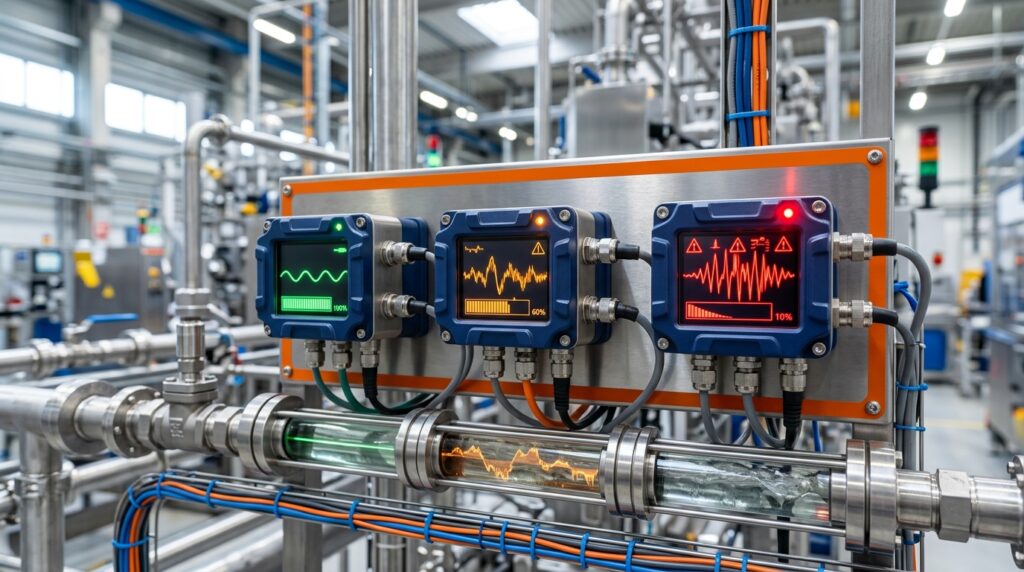
- 3. Define the states: nominal, degraded, critical (e.g. “compressed air” degraded as soon as one compressor out of three is unavailable);
- 4. Rely on a reliable diagnosis: a degraded function requires a fast reaction: quickly identify the cause, avoid multiple trials, apply the right action;
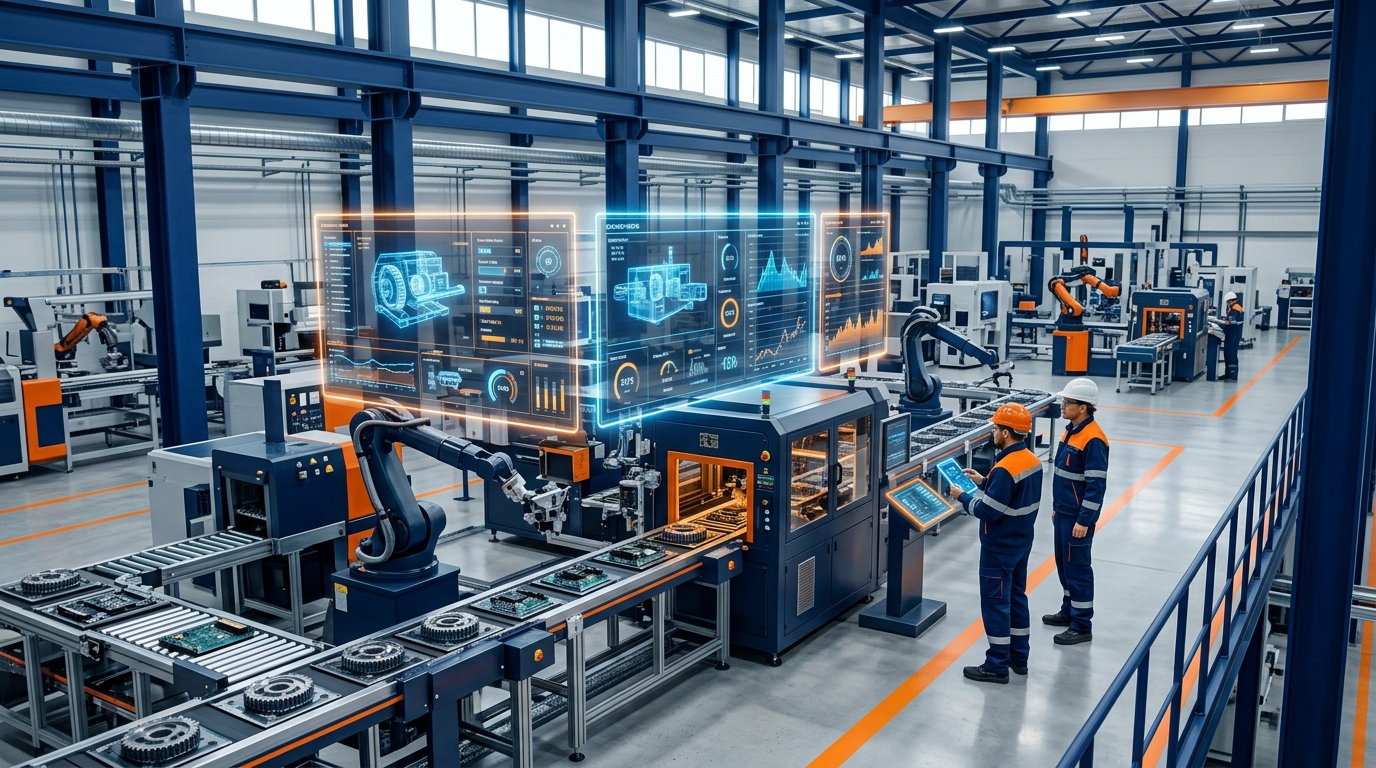
- 5. Get the right tools: automatic calculation of function states, real-time alerts, clear visualization of risks.
The role of MAINTEX
MAINTEX goes beyond equipment management: structuring fault diagnosis, linking each intervention to its impact on a vital function, visualizing in real time the state of critical functions and prioritizing actions according to their impact on production. The goal: no longer just maintaining equipment, but guaranteeing the continuity of the functions essential to your activity.
Identify your critical functions, visualize their state in real time and prioritize your interventions according to their real impact on production.
Conclusion
Monitoring your vital functions means ceasing to look only at equipment to manage what really matters: the continuity of the services essential to production, safety and quality. It’s the shift from asset maintenance to maintenance of industrial performance.